Column · @dailycontactlensblog132
Safe Contact Lens Wear: Best Practices Every Lens User Should Know
Contact lenses are one of those small conveniences that can quietly improve daily life in a big way. They sharpen vision without frames sliding down a nose, they open up peripheral vision, and for many people they feel easier during sports, travel, and long workdays. But lenses also ask for discipline. The eye is not a place where shortcuts stay harmless for long. A clean lens worn the wrong way can still become a problem, and a small lapse in contact lens hygiene can turn into irritation, infection, or a week of discomfort that nobody plans for.
The people who wear lenses comfortably for years usually share the same habits. They are not necessarily more cautious by nature, they are simply consistent. They wash their hands before handling lenses, they replace cases before they become grimy, they do not stretch a pair of disposables because they are “still fine,” and they know when dryness is just dryness versus when the eye is telling them to stop. Safe contact lens wear is not complicated, but it is exacting. The details matter.
The part most people underestimate
A contact lens sits directly on the cornea, the clear surface of the eye that needs oxygen and a clean environment to stay healthy. That placement makes lenses useful, but it also makes them sensitive. Anything that touches the lens can be carried to the eye, including dust, makeup residue, tap water, oils from fingers, and microorganisms that are invisible until they cause trouble.
This is why contact lens care is never only about the lens itself. It is about the entire routine around it, your hands, the case, the solution, the timing, and your willingness to stop wearing a lens when it no longer feels right. People often focus on lens comfort and forget that comfort is not the same as safety. A lens can feel acceptable for hours and still be drying the eye, trapping debris, or wearing down the surface in subtle ways.
That is also why the same advice gets repeated by eye care professionals so often. It is not because there is some secret technique hidden behind it. It is because the basics work, and the basics are where most problems begin.
Clean hands are not optional
Handwashing sounds obvious until you watch how often people rush through it. A quick splash at the sink is not enough. Before handling lenses, hands should be washed thoroughly with soap and water, then dried with a clean, lint-free towel. The drying step matters more than many people think. Wet fingers can make a lens stick, slide awkwardly, or pick up whatever is on the towel or countertop.
Fragranced soaps, heavy lotions, and residue from hand creams can also cause problems. They may not cause immediate pain, but they can coat the lens and irritate the eye. If a person uses lotion regularly, it is wise to wash, dry, and wait a minute before touching the lenses. That tiny pause often prevents the chalky, gritty feeling that some wearers blame on “sensitive eyes” when the real issue is residue transfer.
There is a reason experienced wearers handle lenses in a set sequence. They wash up before taking the lens out of the case, they avoid touching the sink, and they make a habit of checking the lens for tears, deposits, or inversion before it ever reaches the eye. Routine reduces mistakes.
The lens case deserves more respect than it gets
A lot of people invest in the lenses and solution, then treat the case like a disposable afterthought. That is a mistake. The lens case can become a reservoir for contamination if it is not cleaned and replaced properly. Even when the lenses themselves are handled well, a dirty case can undo the effort.
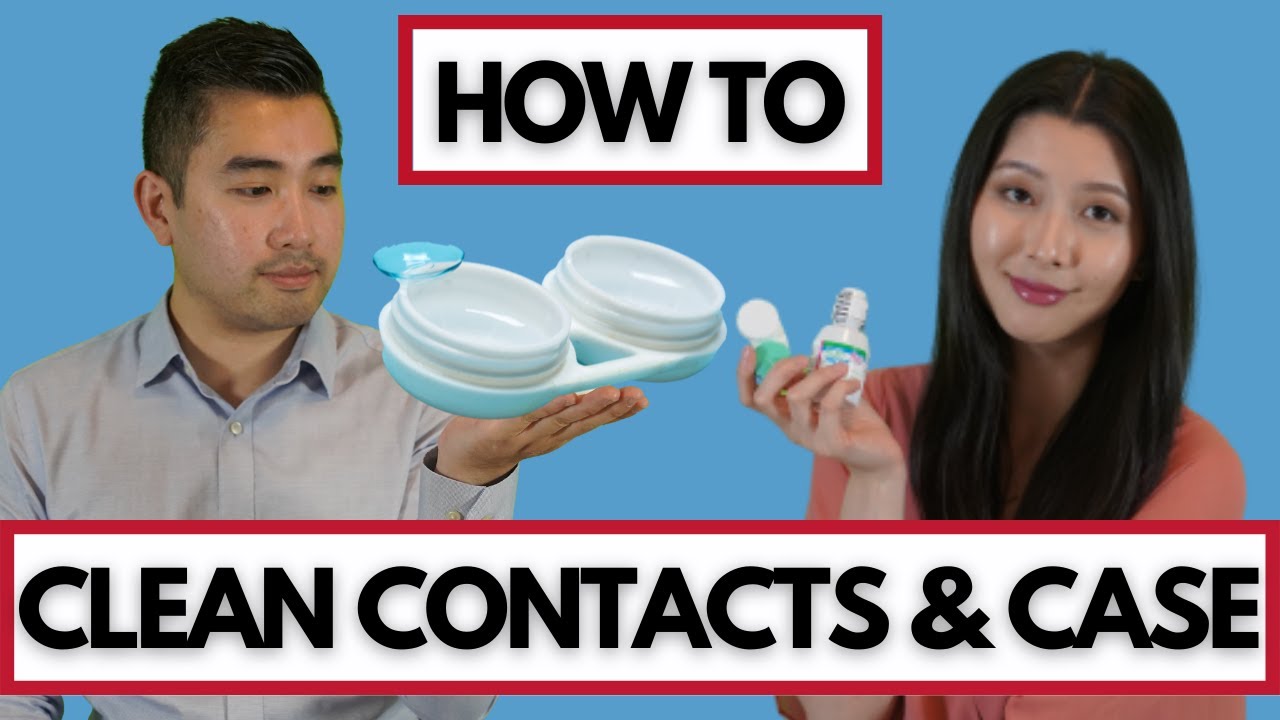
After lenses are removed, the case should be emptied, rinsed with fresh disinfecting solution, and left open to air dry. Tap water has no place here. Neither does “topping off” old solution with new solution. Fresh solution only works as intended when it is not mixed with whatever remains from the previous night. Leftover fluid can dilute the disinfecting power and create a breeding ground for trouble.
Cases also wear out. Cracks, film buildup, and cloudiness are signs that the case is past its best days. Many wearers replace cases every one to three months, sometimes sooner if the case gets dirty, dropped, or damaged. That may sound fussy, but a replacement case is cheap compared with the cost of an irritated or infected eye.
Water and lenses do not mix well
This is one of the clearest rules in safe contact lens wear, and it is still one of the most ignored. Water, whether from a faucet, shower, hot tub, lake, pool, or even a rinse from a bottle labeled “clean,” is not a safe substitute for contact lens solution. Tap water can contain organisms that should never meet a lens. Shower water is not gentler. Pool water is not harmless. Hot tubs are especially poor places for lenses because of heat, chemicals, and contamination risk.
I have seen otherwise careful wearers make one exception, usually while traveling or after a long day, and that one exception becomes the moment they pay for later. They rinse a lens in water because the solution bottle is packed away, or they forget and leave lenses in while swimming “just for a minute.” The eye rarely appreciates that kind of improvisation.
If lenses do get exposed to water, the safest move is to remove them, disinfect them properly if the lens type allows it, or discard them if they are disposable and water exposure was significant. If there is pain, redness, or blurred vision afterward, that is not the time to wait and see.
Respect the wear schedule
One of the biggest benefits of modern lenses is that they are designed for specific wear patterns. Daily disposables are meant to be worn once and thrown away. Biweekly and monthly lenses are meant to be removed, cleaned, and stored correctly, then replaced on schedule. Extended wear lenses exist for some patients, but they are not a casual upgrade. They are a medical decision and should be used exactly as prescribed.
Stretching lenses past their intended life is a false economy. The material ages, deposits build up, oxygen transmission changes, and the risk of irritation goes up. A lens that was comfortable during week one may become more fragile and less hygienic by week four, even if it still “looks fine.” The fact that a lens is invisible in the hand does not mean it is unchanged.
People who forget replacement dates sometimes set phone reminders or align lens changes with a regular date, such as the first day of the month. That kind of habit helps. What does not help is improvising with memory alone. Monthly lenses worn for six weeks because they “seem okay” are one of those common lapses that quietly erode safe contact lens wear.
Makeup, creams, and spray products can complicate things
Contact lenses and cosmetics can coexist, but they require a little planning. Eye makeup should generally go on after lenses are inserted, not before. That reduces the chance of pigment, powder, or applicator residue ending up on the lens surface. The same logic applies to hairspray and fragranced face products. A mist of spray can settle on the lens and create a stubborn film that produces blur or irritation.
Oil-based makeup removers are another hidden issue. They are efficient at removing cosmetics, but they can leave residues that stick to lenses or the eyelids. If the eye feels greasy, scratchy, or unusually blurry after makeup removal, the lens may be part of the problem. Lenses should be removed before using removers whenever possible, then cleaned and stored in a clean case if they are reusable.
Waterline makeup deserves special caution. That area is close to the lens edge, and any product there is more likely to migrate across the eye. If someone regularly gets stinging or fogging after applying eyeliner or mascara, the product may be part of the issue, even if the lens brand has not changed.
Dryness is common, but not all dryness is the same
Dryness is one of the most common complaints among lens wearers, especially late in the day, in air-conditioned offices, on flights, during long screen sessions, or in very dry climates. Sometimes the fix is straightforward. A person blinks less when staring at a monitor, or the lens simply has reached the limit of comfortable wear for that day. Lubricating drops that are compatible with contact lenses can help, but not every drop is appropriate for every lens type.
Still, it is worth paying attention to the pattern. A slightly dry feeling at 5 p.m. Is not the same as a sharp scratch, persistent redness, or the sense that something is trapped under the lens. Those signs can point to a foreign body, a damaged lens, or an early corneal problem. A lens should be removed if discomfort increases rather than settles.
There is also a practical difference between mild dryness and overwear. Mild dryness often improves with breaks, blinking, and better hydration. Overwear tends to build day after day, especially when lens hours creep longer and longer without a reset. Safe contact lens wear means knowing when the eye is asking for a shorter day, not merely a stronger drop.
Know the warning signs that should not be ignored
Most lens wearers will have an occasional annoying day. That happens. But there is a clear line between a minor annoyance and a genuine warning sign. Redness that persists, https://www.opticoreyegroup.com/blog/choosing-the-right-contact-lenses-a-guide-for-first-time-wearers.html pain that does not ease after removing the lens, light sensitivity, unusual discharge, a sudden drop in vision, or the feeling that the lens is stuck are reasons to stop wearing the lens and get professional advice promptly.
The same is true if one eye feels notably worse than the other. A small amount of uneven dryness is common. A dramatic difference is not something to brush off. People sometimes assume they just need to “push through” because they have worn lenses for years, but the eye does not reward toughness. It rewards timely attention.
A useful habit is to remove lenses at the first sign that something is truly off, clean or replace the lens as appropriate, and wait before trying again. If the problem returns with the next wear, that pattern matters. It may indicate the lens fit, the solution, the replacement schedule, or an underlying eye issue.
Solutions matter, and not all solutions behave the same way
Contact lens solution is not interchangeable window dressing. The label matters, and so does the lens type. Multipurpose solutions are not suited to every lens or every wearer. Some people need a hydrogen peroxide system for a better clean or because they react poorly to certain preservatives. Others do better with a specific brand because of comfort or deposit control.
What matters most is consistency and correct use. Solution should be fresh, not reused from the case, and not transferred into tiny travel containers for long periods if those containers are not properly maintained. Travel increases the temptation to improvise, but that is precisely when care tends to slip. A poorly cleaned case in a hotel bathroom can undo weeks of good habits.
If a lens feels persistently cloudy or dry even when handled correctly, the solution may be part of the answer. Sometimes the issue is not the eye, but the chemistry around the lens. An eye care professional can usually narrow that down faster than a wearer can by trial and error.
Handling lenses when life gets messy
There are moments when perfect routine is not realistic. Long flights, overnight work, illness, travel, or a child waking you before you are fully awake can all lead to imperfect handling. That is where judgment matters. If you are too tired to clean a lens properly, it is safer to remove it and wear glasses if possible than to half-clean it and hope for the best. Halfway habits are where contamination often enters.
This is also true during illness. When the eyes are red, irritated, or producing unusual discharge, lenses should usually come out. Wearing lenses through conjunctivitis or another eye infection can make recovery slower and increase discomfort. If the eye is already inflamed, adding a lens rarely improves the situation.
For people who only wear lenses occasionally, the risk is often in forgetfulness. A case sits unused for weeks. Solution ages. The habit muscle weakens. When the lenses come out for a special event, the routine feels unfamiliar. That is when it helps to check expiration dates, replace the solution, and start with a clean case rather than trusting an old setup from the bathroom cabinet.
A simple daily mindset makes the biggest difference
Good contact lens hygiene is less about complexity and more about repetition. The safest wearers do not improvise much. They wash and dry their hands, use the right solution, avoid water, stick to the wearing schedule, and pay attention when the eye changes. That discipline does not take long, but it pays off every day the lenses go in comfortably and come out without incident.
A practical way to think about safe contact lens wear is this: anything that touches the lens should be clean, fresh, or specifically approved for that purpose. Anything uncertain should be treated as a risk, not a convenience. That includes water, old solution, dirty cases, oily fingers, and lenses that have outlived their intended use.
There is also no shame in choosing glasses more often. Some days, the eyes need a break. Some environments, like dusty work sites, smoky spaces, and long stretches in dry air, are simply better managed with glasses. Lens wear should fit life, but it should not bully the eye into discomfort.
Safe contact lens wear is built on small decisions, repeated steadily. Those decisions are what turn lens use from a gamble into a routine. And like most routines worth keeping, the best ones are the ones that make sense the moment you need them most.
Phone:
(657) 445-2160
Website:
opticoreyegroup.com/brea-ca.html
Opticore Optometry Group, PC - BREA, CA
2500 E Imperial Hwy, Ste 196,
Brea,
CA
92821